
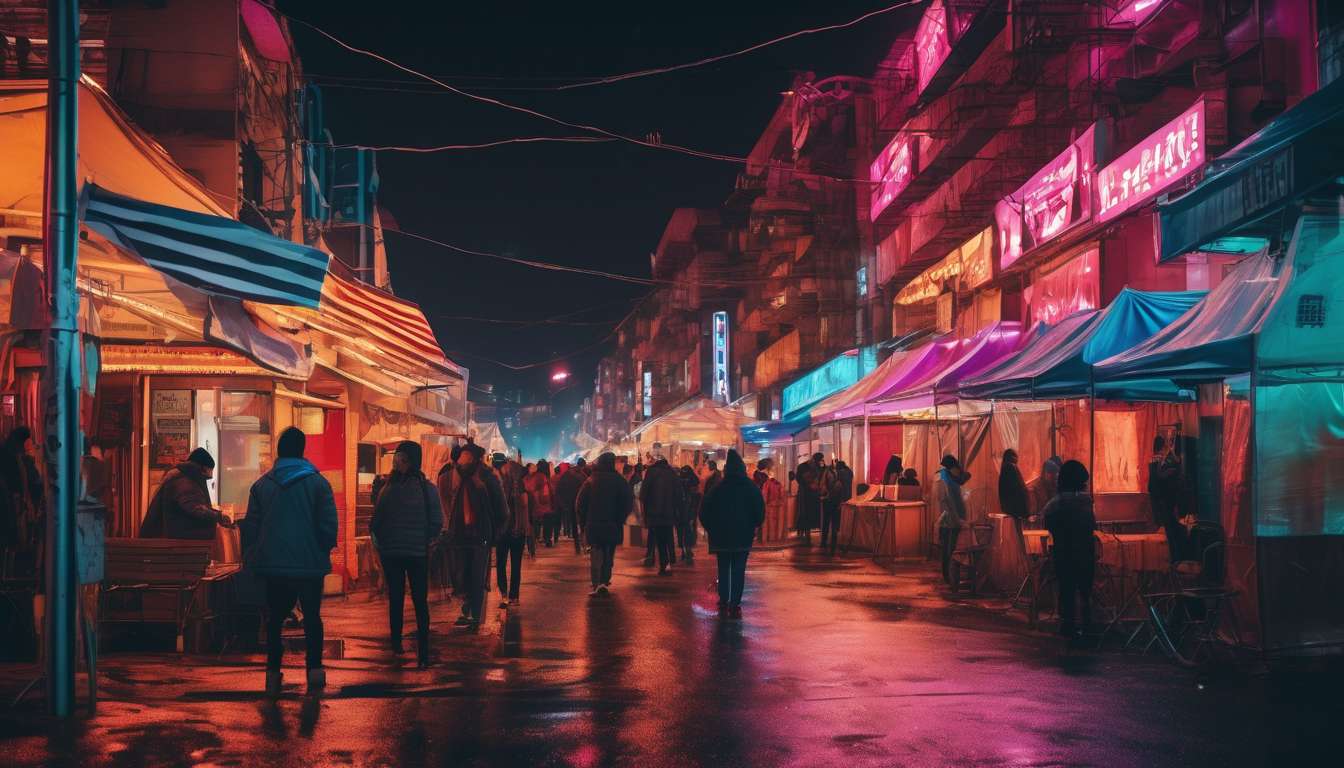
Familiar wisdom tells us that redevelopment simply revitalizes neighborhoods, yet we find that adult nightlife districts—longstanding hubs of community, employment, and culture—often pay a steep price for that “revitalization.”
We believe the myth that new shops, luxury housing, and mixed-use projects uniformly benefit all residents masks a more complex reality.
- Zoning changes, rising rents, and shifting municipal priorities can displace venues that serve adults rather than families or tourists.
- These shifts are not accidental; they follow policy choices that favor certain land uses and demographics.
As stakeholders—patrons, workers, business owners, and neighbors—we must interrogate assumptions that redevelopment is neutral or uniformly progressive.
- The perspectives of those who rely on nightlife for social life and income are frequently marginalized in planning conversations.
- Hearing and integrating these perspectives changes the framing of “improvement” and “revitalization.”
We recognize the economic arguments for densification and modernization, but we also see how policies touted as improvements can erode social networks and livelihoods tied to nightlife.
- Densification can bring customers, but it can also bring new regulations and residents less tolerant of late-night activity.
- Modernization often means standardization—small, characterful venues get replaced by chains or conversion to daytime uses.
This article examines how planning decisions reshape the adult nightlife ecosystem, what gets lost when entertainment options are sanitized or relocated, and how alternative approaches might preserve cultural and economic diversity amid urban change.
- Assess how zoning and licensing changes alter where and how nightlife operates.
- Document the social and economic functions that nightlife provides beyond entertainment.
- Evaluate policy alternatives that protect cultural venues while accommodating growth.
- Propose stakeholder-inclusive planning processes to mitigate displacement and preserve diversity.
Policy Drivers
We prioritize zoning, licensing, and tax incentives because they directly shape how nightlife venues locate, operate, and evolve.
Zoning reform can open doors for small operators and preserve mixed-use blocks where community thrives.
We push for clear rules so owners aren’t forced out by surprise rezonings.
Licensing processes often favor larger investors.
We want equitable systems that let grassroots promoters and longtime workers keep contributing to the nightlife economy.
Tax incentives should be targeted to support local venues during redevelopment phases.
This reduces abrupt closures that fragment social networks.
We’re attentive to patterns of cultural displacement and work to safeguard venues that anchor identity and belonging.
We insist redevelopment plans include protections and negotiated transitions.
We engage policymakers and neighbors as allies, proposing measurable safeguards:
- Community impact assessments.
- Phased permitting.
- Benefit agreements.
The goal is that redevelopment strengthens, rather than erases, the informal cultures that make our districts resilient and inclusive.
Zoning Impacts
We examine how specific zoning rules shape where venues can open, how late they can operate, and which activities are allowed on-site.
We map how zoning reform proposals redraw boundaries that have long supported community hubs, and we point out how seemingly technical changes affect our shared sense of place.
When setbacks, buffering, or conditional use permits are tightened, familiar spots can’t meet new requirements and long-standing operators feel excluded.
We’re careful to name trade-offs:
- Stricter use classifications can reduce conflicts with residences.
- They can also fragment the nightlife economy by pushing venues into less accessible corridors.
We listen to neighbors and proprietors, and we advocate for participatory zoning processes so community members help shape rules that protect diversity.
Our focus is on preventing cultural displacement by preserving spaces where people gather, perform, and socialize.
By centering inclusion in zoning reform, we keep urban nights vibrant while ensure everyone who belongs has a voice in the decisions that shape our streets.
Economic Consequences
We examine how changes to where and when venues can operate translate into job losses, altered revenue streams, and shifting investment patterns across the city.
Zoning reform reshapes the economics of evenings. Reduced operating hours and relocated permits:
- cut staff hours,
- eliminate positions,
- shrink tips that many workers rely on.
Small operators are vulnerable to higher rents and new licensing rules. When they can’t absorb costs or comply, closures:
- create gaps in employment and supplier contracts,
- reduce steady work for contractors and gig workers.
The broader nightlife economy contracts and investor interest shifts. Capital moves toward daytime retail and luxury housing, which:
- understates the multiplier effects of evening spending on transportation, food service, and local suppliers,
- reduces reinvestment in evening-focused businesses.
Cultural displacement risks pushing longtime patrons and workers out of reach of affordable venues. This reduces the regulars who sustain businesses and erodes community networks.
We can track specific metrics to advocate for mitigation.
- Employment figures,
- License applications,
- Revenue patterns.
Proposed mitigation strategies include:
- phased zoning reform,
- targeted grants,
- workforce transition programs.
Together, these steps can preserve jobs and keep our community’s evening vitality intact.
Cultural Losses
Many beloved venues and traditions disappear when redevelopment forces venues to close or relocate.
We lose the late-night haunts where friendships form, the DJs and bands who stitch generations together, and the informal rituals that make a place feel like ours.
- Line jokes, signature dances, and corner conversations create shared identity.
- These everyday gatherings and rituals give neighborhoods their character and continuity.
Zoning reform done without cultural sensitivity can accelerate that loss.
- Reallocating blocks to developers can undermine the nightlife economy.
- Artists, bartenders, promoters, and loyal patrons depend on affordable, accessible venues.
Cultural displacement isn’t just physical; it’s emotional.
- It erodes shared memories and the small freedoms that let people belong.
- Loss of venues weakens intergenerational connections and local traditions.
To protect the social fabric, policy must recognize venues as cultural assets.
- Preserve affordable spaces for night activity.
- Monitor how zoning reform reshapes access to cultural venues.
- Explicitly name and measure cultural losses to inform policy decisions.
By taking these steps, we can keep music playing, traditions alive, and neighborhoods retaining the warmth and spontaneity that make them home.
Community Voices
We need to hear from longtime residents, venue workers, and regulars so their experiences guide how redevelopment reshapes our nights.
We gather stories at neighborhood meetings, listening sessions, and informal meetups to make sure policy conversations reflect lived realities.
When zoning reform is proposed, we insist it accounts for small stages, late-hour services, and affordable rents that sustain the nightlife economy many of us rely on for income and community.
We don’t want decisions made behind closed doors that risk cultural displacement or erode places where we’ve formed friendships and rituals.
We organize to document what works, map cherished venues, and propose alternatives that keep a diverse night scene intact.
By centering people who live and work here, we build proposals that balance growth with belonging.
Our collective testimony helps policymakers see nightlife not as a nuisance to be managed but as a vital cultural system worth protecting as the city changes.
Worker Rights
We demand fair pay, predictable schedules, safe working conditions, and access to benefits so the people who keep our nights alive can build stable lives.
We are united in protecting workers who sustain the nightlife economy: bartenders, performers, security, and support staff.
Redevelopment and zoning reform often prioritize new investors over the livelihoods of these workers, increasing rents and shifting operational hours without regard for human costs.
We want rules that preserve jobs and ensure operators provide:
- Living wages.
- Paid leave.
- Transparent scheduling.
We call for enforcement mechanisms so standards aren’t optional.
As neighborhoods change, cultural displacement threatens both workers and the communities that rely on their labor and creativity; we pledge to resist that erasure together.
We value workplaces where respect and safety are nonnegotiable, where staff can organize and access training, and where career paths exist beyond precarious gigs.
By centering worker rights in planning conversations, we’ll keep our nights vibrant and make sure everyone who makes them possible belongs and thrives.
Mitigation Strategies
We’ll pursue concrete mitigation strategies that protect workers and venues during redevelopment.
- Rent stabilization, impact assessments, and community benefit agreements will be required to limit displacement and preserve cultural spaces.
- Zoning reform will create predictable mixed-use corridors, protect entertainment districts, and reduce the risk of abrupt closures.
We’ll build broad coalitions so everyone affected has a seat at the table.
- Coalition members will include venue owners, staff, residents, and planners.
- These coalitions will provide a shared voice in decisions that affect livelihoods and neighborhood character.
We’ll require social and economic impact assessments before approvals.
- Assessments will measure how proposed changes affect the nightlife economy, local jobs, and community amenities.
- Findings will identify support needs and inform mitigation conditions attached to approvals.
We’ll negotiate community benefit agreements that provide concrete protections.
- Agreements will guarantee relocation assistance, job retention clauses, and grants for safety upgrades.
- They will be enforceable and tied to development approvals.
We’ll fund training and legal aid for workers.
- Support will cover contracts, licensing, and dispute resolution to strengthen worker rights and mobility.
We’ll create monitoring committees that include frontline workers.
- Committees will ensure commitments are honored, track outcomes, and recommend corrective actions when necessary.
By centering inclusion and accountability, we’ll limit cultural displacement and keep neighborhoods vibrant, resilient, and welcoming.
- The combined approach—policy, community power, enforcement, and support services—will help preserve cultural spaces and livelihoods for everyone who belongs here.
Adaptive Models
We’ll pilot flexible mixed-use and pop-up models that let venues adapt to redevelopment pressures without losing their identity.
We’ll create shared spaces where bars, performance venues, and creative studios rotate programs, keeping the nightlife economy vibrant while reducing fixed overhead.
We’ll push for zoning reform that permits temporary licenses and adaptive reuse, so small operators can test concepts and stay rooted rather than being priced out.
We’ll set up cooperative management frameworks so neighbors and venue teams govern schedules, security, and programming together; that collective stewardship counters cultural displacement by preserving local traditions and fostering mutual care.
We’ll prioritize affordable access to rehearsal, storage, and back-of-house facilities to keep diverse talent engaged.
We’ll measure success with clear metrics—venue survivorship, employment retention, and community satisfaction—so adjustments are evidence-based.
By sharing resources, advocating practical zoning reform, and co-managing flexible sites, we’ll protect our shared nightlife identity and ensure redevelopment doesn’t erase the communities we belong to.
How will redevelopment affect the safety and privacy of patrons who prefer discretion when visiting adult nightlife venues?
We’re asking how redevelopment will change safety and privacy for patrons seeking discretion.
We’ll watch for increased visibility from new lighting, cameras, or foot traffic and push for privacy protections such as:
- Shielded entryways
- Strict surveillance limits
- Anonymized recordkeeping
We’ll advocate training for staff, clearer signage about data use, and community oversight so everyone can feel welcome and protected while preserving personal dignity and belonging.
Will there be any provisions to help long-term regulars (not employees) find alternative social spaces that meet their needs and routines?
We will help long-term regulars find alternative social spaces and make room for them.
We will map familiar routines, partner with local organizers and venues, and create discreet referral guides and transition events.
We will fund small grants for pop-up meetups, preserve informal networks, and ensure communication stays respectful and confidential.
We will keep involving regulars so replacements feel like home, not just substitutes.
How are public health services (sexual health clinics, substance use support) that currently rely on proximity to these districts being considered in relocation or closure plans?
We’re asking how public health services that depend on proximity to these venues are being handled in relocation or closure plans.
We’ll press planners to:
- Map clinic and outreach routes.
- Keep drop-in hours near former hotspots.
- Fund mobile units and transport vouchers.
We’ll partner with community organizations to:
- Preserve low-barrier access.
- Share data transparently.
- Make sure regulars still find trusted, stigma-free care during and after transitions.
Conclusion
You’ve seen how redevelopment pushes rezoning, economic shifts, and cultural erosion that hit adult nightlife districts hard.
As a resident or policymaker, you’ll weigh job and safety concerns against community identity and workers’ rights.
You can push for mitigation to lighten harm while enabling change:
- Buffer zones to separate conflicting uses.
- Phased transitions that give businesses and workers time to adapt.
- Preservation incentives (grants, tax relief, landmarking) to retain cultural venues.
- Stronger labor protections for vulnerable workers in nightlife industries.
If you prioritize inclusive planning and adaptive models, you’ll help cities evolve without erasing the people and cultures that made them.