
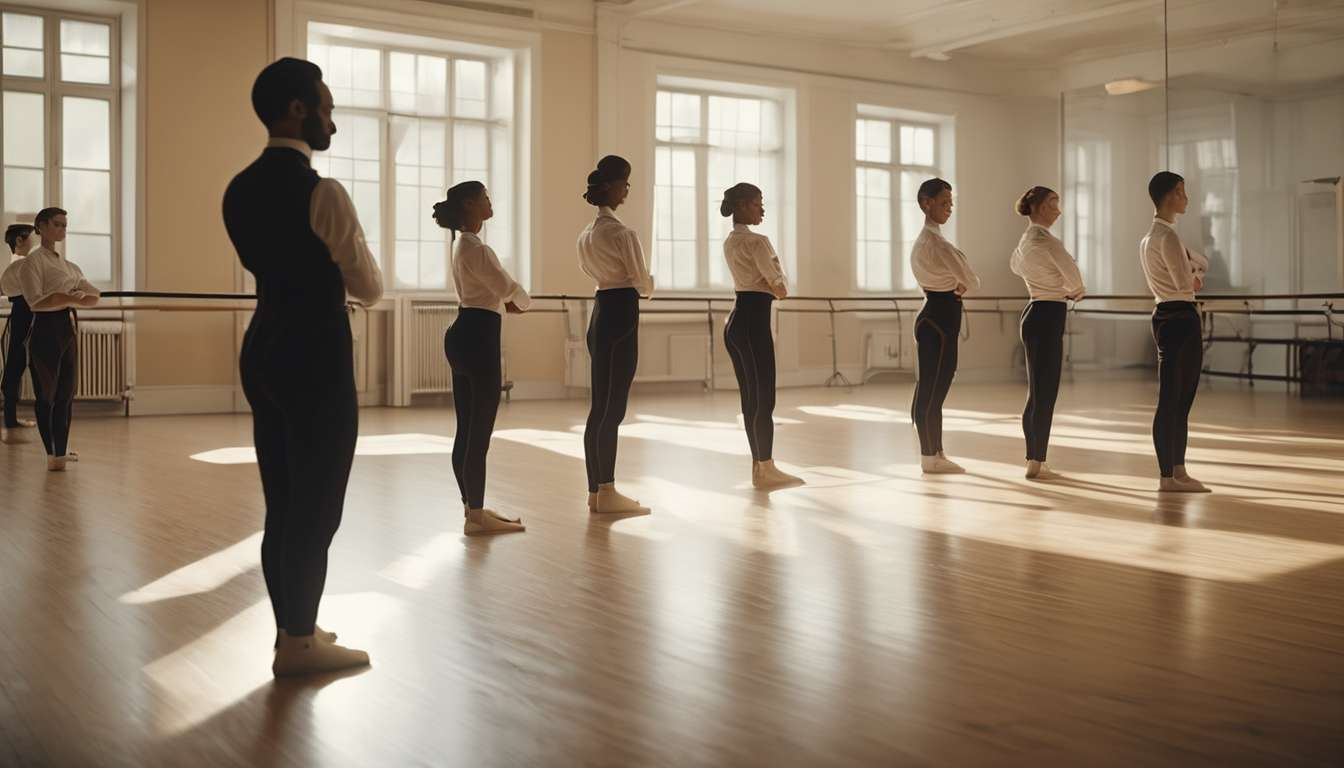
Keeping dancers safe, respected, and professionally recognized has become an urgent challenge we can no longer ignore.
We watch talented performers navigate inconsistent pay, unclear certification, and fragmented safety protocols, and we recognize these gaps undermine the art we love.
As industry groups step forward to create uniform standards, we confront practical questions about training benchmarks, ethical hiring practices, and transparent evaluation methods.
We see communities fractured by varying regional rules and sympathetic organizations duplicating efforts for the same goals.
We know that without coordinated standards, dancers face exploitation, compromised health, and stalled career mobility.
We also believe that collective action can reverse these harms: by aligning curricula, codifying workplace protections, and establishing accredited pathways, we can elevate professionalism while preserving creativity.
This article examines how coalitions of educators, companies, and unions are designing and promoting standards that aim to protect performers’ rights, improve career stability, and strengthen the future of dance as both an art form and a profession.
Why Standards Matter
We need clear standards because they protect dancers’ safety, ensure fair pay and working conditions, and uphold artistic quality.
Shared guidelines like dance certification create a common language that validates our skills and opens doors across companies.
When we adopt consistent health and safety protocols, we reduce injury risk and build trust with employers and audiences alike.
Clear expectations around ethical hiring keep exploitation out of auditions and contracts, so everyone can focus on growth rather than survival.
We want to belong to a profession that respects our bodies, time, and artistry.
Standards give us leverage to negotiate rehearsals, breaks, medical care, and compensation with confidence.
Standards let new members join without guessing the rules, making entry clearer and fairer.
By supporting industry groups that codify best practices, we strengthen community cohesion and ensure that artistic excellence is matched by professional dignity.
Together, we make the field safer, fairer, and more sustainable for all dancers.
Training Benchmarks
We’ll establish clear training benchmarks that define technical milestones, injury-prevention competencies, and performance-ready standards for each level of a dancer’s development.
We’ll map progressions from foundational technique to professional readiness, tying each stage to measurable skills, rehearsal expectations, and mentorship milestones so everyone knows what’s expected and when.
We’ll align benchmarks with recognized dance certification pathways to create portable credentials that affirm skill and commitment across companies and studios.
We’ll include modules on conditioning, cross-training, and self-care that support long careers without duplicating detailed protocols reserved for health and safety discussions elsewhere.
We’ll embed principles of ethical hiring into training outcomes so employers recognize not just technique but professionalism, collaboration, and respect for boundaries.
We’ll design assessments that are transparent, formative, and community-minded, offering pathways for remediation and advancement.
-
- Assessments will prioritize feedback and growth over punitive measures.
-
- Remediation plans will be specific, time-bound, and linked to mentorship.
-
- Advancement criteria will be clear and consistently applied.
We’ll involve teachers, dancers, and employers in reviewing benchmarks regularly, ensuring they reflect evolving practices and sustain a sense of belonging, equity, and shared responsibility across the field.
-
- Regular review cycles (e.g., annual or biennial).
-
- Inclusive stakeholder panels for curriculum updates.
-
- Mechanisms for community input and appeal.
Health and Safety Protocols
We’ll establish clear, evidence-based protocols that prevent injuries, manage emergencies, and support dancers’ physical and mental well‑being across rehearsal, performance, and travel.
We set consistent screening, warm-up, cooldown, load‑management, and return‑to‑dance procedures tied to recognized dance certification standards so every member knows expectations and skills are validated.
We require accessible on‑site medical plans, trained first responders, concussion and injury reporting, and coordinated care pathways so people get timely treatment without stigma.
We embed mental‑health resources, peer support networks, and confidential reporting channels to address stress, burnout, and harassment while fostering trust and belonging.
We maintain venue and travel checklists that prioritize rest, nutrition, safe transport, and appropriate rehearsal spaces, and we audit compliance regularly.
We adopt transparent grievance procedures and collaborative review of incidents to learn and improve.
We champion health and safety as core to professional practice, not an add‑on, and we link these protocols to ongoing professional development and ethical hiring commitments so the whole community is safer, supported, and accountable.
Ethical Hiring Practices
We will hire transparently and fairly.
- We will use standardized job descriptions, blind-audition options where appropriate, and clear conflict-of-interest disclosures so opportunities go to merit, not networks or bias.
- We will commit to ethical hiring that centers inclusion, recognizing varied backgrounds and lived experiences as strengths.
- We will advertise openings broadly, outline required credentials (including any dance certification), and explain how applications are assessed so candidates feel seen and respected.
We will design fair selection processes.
- We will structure panels with diverse voices and train reviewers to avoid implicit bias, creating a process that welcomes belonging.
- We will balance artistic vision with commitments to health and safety, ensuring hires understand protocols and resources for physical and mental wellbeing.
- We will provide clear timelines, feedback when feasible, and accessible audition conditions, reducing barriers for caregivers, students, and those with disabilities.
We will document decisions and provide recourse.
- We will document hiring decisions and offer appeals channels so trust builds over time.
- By making ethical hiring standard practice, we will strengthen community, elevate professional standards, and ensure opportunities reflect talent and fairness.
Certification Pathways
We will establish clear, accessible certification pathways that define competencies, training standards, and renewal requirements so professionals can advance with confidence and communities can trust accredited credentials.
Tiered certification structure:
- Emerging teachers — recognition for those beginning to teach foundational classes.
- Seasoned performers — credentials for accomplished dancers who teach and lead.
- Specialist practitioners — accreditation for niche/advanced specialties (e.g., choreography, therapeutic dance).
Transparent assessment criteria will be published so everyone knows what success looks like, with explicit rubrics for skill, pedagogy, and professional conduct.
Mandatory core modules will include:
- Health and safety
- Injury prevention
- Inclusive teaching methods
These protect dancers and help sustain long-term careers.
Renewal and ongoing professional responsibility:
- Renewal cycles will require continuing education.
- Peer review will be part of the reaccreditation process.
- Demonstrated commitment to ethical hiring and fair labor practices will be enforced to reinforce community responsibility.
Accessible, flexible delivery options will make certification affordable and geographically inclusive:
- In-person and online assessments
- Mentorship programs
- Portfolio-based evaluations to honor diverse experiences
Balance standardization with flexibility so credentials are reliable across contexts while accommodating varied backgrounds; this creates belonging—dancers feel seen, employers trust verified skills, and students access reliable instruction.
Continuous monitoring and collaborative improvement:
- Monitor outcomes and collect participant feedback.
- Adjust standards collaboratively with stakeholders.
This ensures the certification system remains rigorous, equitable, and responsive to the needs of the dance community.
Regional Coordination Strategies
Coordinate regional hubs to align certification delivery, share assessor resources, and tailor standards implementation to local needs.
Build visible, accessible networks where dance certification schedules, training materials, and assessor pools are discoverable so everyone knows where to turn.
Pool expertise for consistent health and safety guidance, adapting protocols to regional facilities and common practices without diluting core requirements.
Promote mentorship circles that link emerging teachers and performers with certified peers, reinforcing community accountability and a shared professional identity.
Collaborate with local employers to model ethical hiring and equitable contracting by providing:
- templates for fair contracts and job postings
- workshops for small organizations on implementing equitable practices
Establish rotating review panels so assessment stays current, responsive, and culturally aware.
Use data-sharing agreements to track participation and outcomes while protecting privacy, enabling hubs to learn what works.
Hold quarterly convenings — virtual and in-person so members can contribute feedback, resolve challenges, and celebrate milestones, making regional coordination a living, inclusive process that strengthens standards for everyone.
Enforcement and Compliance
We’ll enforce standards through clear compliance processes, transparent sanctions, and consistent monitoring so everyone knows expectations and consequences.
We’ll set up a straightforward reporting system and regular audits that let members flag concerns without fear, reinforcing that dance certification is meaningful and earned.
We’ll publish criteria for investigations and timelines so outcomes don’t feel arbitrary.
We’ll apply sanctions proportionally and publicly when appropriate, protecting community trust while respecting due process.
We’ll prioritize health and safety violations and breaches of ethical hiring, addressing exploitation or unsafe workplaces swiftly to keep people safe and valued.
We’ll offer remediation pathways—training, supervision, or temporary suspension—so members can learn and return stronger.
We’ll track compliance metrics and share aggregate results with stakeholders to celebrate improvements and identify persistent gaps.
We’ll convene review panels with diverse voices from across regions to ensure fairness.
By holding each other accountable, we’ll strengthen belonging, uphold standards, and keep our profession trustworthy and inclusive.
Future of Dance Profession
Vision: We’ll shape a future where practitioners, educators, and organizations innovate together to expand career pathways, embrace technology, and keep artistic integrity front and center.
Standardized, Respectful Certification: We’ll build clear pathways to recognize skills through standardized dance certification that respects diverse styles and community roots.
Continuing Education & Mentorship: We’ll invest in continuing education, mentorship, and accessible credentialing so everyone feels their progress is visible and valued.
Health, Safety & Mental Well‑being: We’ll prioritize health and safety by adopting consistent protocols, injury-prevention training, and mental-health supports that normalize asking for help without stigma.
Ethical Hiring & Inclusion: We’ll commit to ethical hiring practices that ensure transparent contracts, fair pay, and inclusive audition processes, so every member can belong and thrive.
Thoughtful Use of Technology: We’ll use technology thoughtfully — for remote training, performance archives, and equitable audition platforms — while protecting privacy and artistic control.
Shared Governance & Accountability: We’ll share governance, invite community feedback, and measure outcomes to keep standards responsive.
Sustainable Professional Life: Together, we’ll create a profession that balances creative risk with professional care, so dancers can build sustainable careers rooted in respect, resilience, and shared responsibility.
How will adopting these professional standards affect dancers’ pay scales and access to collective bargaining?
Adopting professional standards raises baseline pay and creates clearer tiers, leading to fairer, more predictable wages.
We’ll strengthen arguments for collective bargaining by defining roles and expectations, which makes it easier to negotiate contracts.
Together we’ll push for standardized scales, grievance procedures, and benefits.
By uniting around shared standards, we’ll increase our bargaining power, improve transparency, and protect members from wage erosion and exploitation.
What financial or administrative support will small studios and independent choreographers receive to meet new training and safety requirements?
We’ll ask funders and local arts councils for grants, shared-resource hubs, and sliding‑scale training subsidies so small studios and independents won’t be left out.
We’ll create pooled insurance options, template policies, and mentor networks to reduce admin burdens.
We’ll push for tax credits and stipend programs, and run cooperative buying for equipment and continuing education so everyone can meet safety and training requirements without risking their livelihoods.
How will the standards address cultural, traditional, or non-Western dance forms that have different training models and values?
We’ll center inclusivity and respect, ensuring standards honor cultural, traditional, and non‑Western dance forms.
We’ll consult practitioners, elders, and community leaders to adapt criteria to varied training models and values.
We’ll create flexible guidelines that prioritize safety without erasing cultural practices, including:
- Flexible safety protocols that accommodate different movement vocabularies and teaching methods.
- Translation of materials into community languages.
- Culturally competent training resources for assessors and instructors.
We’ll invite ongoing feedback so communities help shape standards that reflect their traditions and sustain belonging for all dancers.
Conclusion
You’ve seen why standards matter: they protect dancers’ health, careers and artistry by setting clear training benchmarks, safety protocols and ethical hiring practices.
When you support certification pathways and regional coordination, you help create consistent expectations and enforceable compliance that raise professional standing and public trust.
Keep advocating for practical, fair enforcement and forward-looking policies so the dance profession continues evolving—safer, more respected and better equipped for the future.