
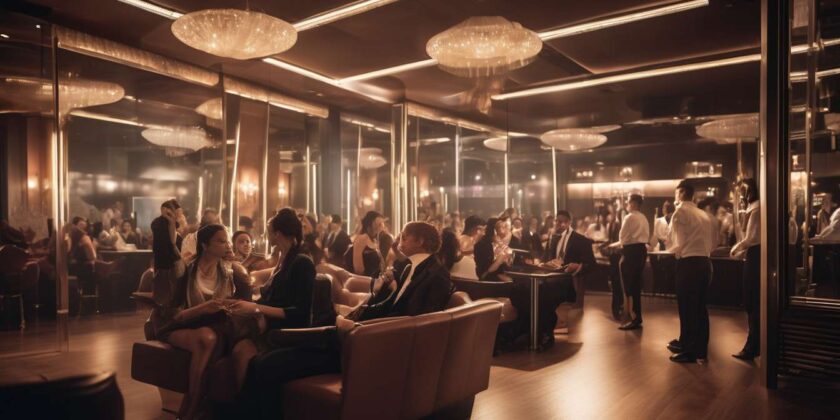
Just imagine walking into a venue where muffled beats meet meticulous safety audits—how do we reconcile atmosphere with accountability?
We ask that question because exotic dancing venues are redefining what the workplace looks like, and we are watching norms shift in real time.
As operators, performers, regulators and patrons intersect, we must wrestle with policies that protect employees without erasing the culture that draws audiences.
We examine updated training programs, clearer codes of conduct, changes in tip-handling systems, and redesigned floor plans that prioritize both performance and personal boundaries.
-
Updated training programs can include:
- Worker-centered safety and de-escalation techniques.
- Management training on legal responsibilities and supportive supervision.
- Consistent onboarding and refreshers for staff and contractors.
-
Clearer codes of conduct can address:
- Expectations for patron behavior and consequences for violations.
- Performer boundaries and consent protocols.
- Transparent reporting channels and protections against retaliation.
-
Changes in tip-handling systems can include:
- Cashless options that protect privacy and reduce theft.
- Transparent revenue-sharing or pooling arrangements.
- Clear documentation to support worker income and benefits.
-
Redesigned floor plans can emphasize:
- Sightlines and staging that preserve atmosphere.
- Physical barriers or safe zones to enforce boundaries.
- Accessible routes and emergency egress that meet safety codes.
We also consider economic pressures and public perceptions that drive these adaptations.
Our aim is not to moralize but to map the evolving landscape: the practical measures venues adopt, the challenges they face implementing standards, and the varied responses from stakeholders.
Together, we explore how tradition and professionalization can coexist as the industry navigates a new era of workplace expectations.
Industry Landscape Today
Today, exotic dancing venues are shifting from clandestine clubs to regulated workplaces as cities and industry groups tighten health, safety, and employment standards.
This transition creates a safer, more inclusive community where performers and staff feel respected and protected.
We prioritize workplace safety by enforcing clear rules, secure entry protocols, and open reporting channels.
- Clear rules and procedures give everyone predictable expectations.
- Secure entry protocols protect performers and staff from unwanted access.
- Open reporting channels let people raise concerns without fear.
Patron conduct is addressed directly through codes of behavior, visible signage, and trained security.
- Codes of behavior set acceptable standards for interactions.
- Visible signage reinforces those expectations for all patrons.
- Trained security ensures consistent, respectful enforcement so boundaries are honored.
Transparency extends to compensation through fair tipping policy guidelines and posted information.
- Posted pay and tipping policies reduce ambiguity.
- Clear compensation practices help performers rely on steady, dignified income.
Operators, dancers, and patrons are aligning practices with legal requirements and shared values.
- Compliance with laws protects the venue and the people who work there.
- Shared values—mutual respect and professionalism—strengthen community trust.
By centering safety, conduct, and equitable pay, we’re building venues where community members can connect, work, and enjoy performances with confidence and mutual care.
Evolving Safety Training
More venues are adopting standardized, scenario-based safety training that we deliver regularly to staff and performers to prevent incidents and ensure quick, coordinated responses.
We focus on practical drills, clear reporting steps, and role-specific guidance so everyone feels prepared and supported.
Training content includes:
- De-escalation techniques tied to expected patron conduct.
- Techniques for documenting incidents and clear reporting chains.
- Boundaries that protect performers’ autonomy.
- Emergency procedures and basic first aid.
- Recognizing signs of exploitation or impairment.
All modules are framed around shared responsibility for workplace safety.
Sessions invite feedback so policies — including our tipping policy communication — reflect real experiences and strengthen trust between teams.
Delivery methods we use:
-
- Regular refresher courses.
-
- Peer-led workshops.
-
- Anonymous scenario reviews.
These practices normalize speaking up without fear and build a consistent, communal approach that reduces ambiguity and improves response times.
This evolving training makes safety routine, reinforces mutual respect, and helps new and veteran staff feel like they truly belong to a safer, more professional workplace.
Updated Codes of Conduct
We revised the code of conduct to set clearer expectations, outline respectful behaviors, and establish fair, enforceable consequences for violations.
Our aim is that everyone who works and spends time here should feel seen, safe, and valued.
The updated rules focus on workplace safety and define acceptable interactions between staff, entertainers, and patrons so boundaries are obvious and protected.
Patron conduct has been clarified to prevent harassment and ensure staff can perform their duties without fear.
Reporting pathways are simple and confidential, and we commit to timely, impartial investigations.
We spelled out recovery and support options for anyone affected by incidents, reinforcing community care.
Because belonging grows from predictability, enforcement will be consistent and transparent so people know what to expect.
We reviewed our tipping-policy language to make expectations about transactions and respect clear, while keeping financial arrangements fair.
Together, we will maintain a welcoming space where dignity, protection, and mutual respect guide every interaction.
Tip Handling Reforms
We’re implementing clear, fair procedures for collecting, distributing, and accounting tips so performers and staff get paid transparently and promptly.
We’ve updated our tipping policy to eliminate confusion and ensure everyone knows how earnings are tracked, reported, and shared.
We outline when cash tips go directly to performers, when pooled tips are used, and how management documents distributions, reinforcing trust across the team.
We train staff on respectful patron conduct and link tip handling to broader workplace safety goals:
- Secure tip storage (locked containers, restricted access)
- Limited access (only designated personnel handle cash and records)
- Incident reporting (clear steps when disputes or theft are suspected)
We maintain visible records and regular audits so payouts are timely and verifiable.
We offer private channels for reporting concerns without fear of retaliation.
We encourage collaboration when revising procedures, inviting feedback so the policy reflects our collective values.
By centering fairness, transparency, and safety, we create an environment where everyone feels respected, supported, and confident that tip practices uphold both dignity and financial security.
Venue Design Innovations
We’re redesigning performance spaces to balance artistic expression, dancer comfort, and operational efficiency while meeting modern accessibility and safety standards.
We’re creating stages with softer edges, adjustable heights, and better sightlines so performers feel seen and secure.
We include non-slip flooring, discreet emergency exits, and lighting controls to prioritize workplace safety without sacrificing atmosphere.
We’re arranging seating to foster community while enforcing clear patron conduct zones that protect performers and guests.
We design barrier options that are respectful and flexible, allowing venues to adapt to different shows and comfort levels.
We’re integrating accessible routes, gender-neutral restrooms, and private green rooms so everyone on our team and in our audience belongs.
We’re also building systems that support transparent tipping policy displays and secure tip collection, making earnings visible and fair.
We collaborate with staff and performers when testing layouts, because thoughtful design grows trust, reduces conflicts, and strengthens our shared commitment to dignity, safety, and vibrant performance.
Legal and Regulatory Shifts
Regulatory compliance and rights protection
As regulators tighten licensing, zoning, and employment rules, we’re proactively updating our policies and layouts to stay compliant while protecting performers’ rights and operational viability.
We’re aligning contracts, payroll practices, and training with legal standards so everyone here feels secure and respected.
We consult local authorities and legal counsel to interpret changing statutes, and we share summaries with staff so no one’s left guessing.
Workplace safety and wellbeing
We’re embedding workplace safety into daily routines, including:
- clear incident reporting
- regular safety audits
- accessible resources for mental and physical health.
We’re clarifying patron conduct expectations and enforcing them consistently, so our community knows boundaries are real and supported.
Compensation transparency and community culture
Our tipping policy is transparent, equitable, and communicated upfront to prevent disputes and ensure fair compensation.
We’re fostering a culture where performers, staff, and patrons all belong, knowing rules protect the whole team.
By staying informed and adapting quickly, we maintain legal compliance and preserve a welcoming, safe environment that centers dignity and collective responsibility.
Economic Pressures and Perception
Many venues are feeling mounting financial pressure from rising rent, staffing costs, and changing customer habits.
We’re rethinking pricing, schedules, and revenue streams to stay viable.
We’re honest about tough choices and experimenting with new approaches.
- Shifting nights to match demand.
- Offering bundled experiences.
- Trying membership models so regulars feel seen and supported.
Sustaining a welcoming community depends on clear expectations for everyone.
We’re reinforcing patron conduct guidelines and communicating them kindly to both staff and guests.
We’re balancing income needs with investments in workplace safety that protect performers and staff.
Safety and dignity aren’t optional, so we’re prioritizing measures that uphold both.
We’ve updated our tipping policy to be transparent and fair.
This includes sharing how tips are handled and ensuring performers can rely on more predictable compensation.
We invite feedback, celebrate regulars, and make rules consistent to build resilience.
These changes help preserve the sense of belonging that drew us here while adapting responsibly to economic realities.
Balancing Culture and Compliance
Goal: Align club culture with legal and regulatory requirements while preserving performers’ creative freedom and ensuring a welcoming, protected environment.
Safety, licensing, labor, and zoning compliance
- We meet licensing, labor, and zoning obligations without imposing unnecessary restrictions on expression.
- Compliance measures are designed to protect the club, staff, and performers while minimizing impact on artistic freedom.
Workplace safety and training
- We provide training and transparent procedures that prioritize workplace safety.
- Training covers incident reporting, de‑escalation, emergency response, and rights under labor and licensing rules.
- Procedures are communicated clearly so safety protocols do not inadvertently stifle expression.
Performer involvement in policy
- We collaborate with performers when revising house policies.
- Performer input is actively solicited on shifts, breaks, scheduling, and security measures.
- Concerns are listened to and addressed through an iterative, consultative process.
Patron conduct and enforcement
- We define expectations for patron behavior and clearly communicate boundaries.
- Boundaries are reinforced through signage, staff reminders, and firm but respectful enforcement.
- Enforcement emphasizes safety and dignity for performers and guests.
Tipping and earnings transparency
- Our tipping policy is straightforward and equitable.
- Options (pooled or individual tipping) are explained openly so no one’s earnings are ambiguous or undermined.
- Records and explanations of distribution help maintain trust and compliance with labor rules.
Ongoing adaptation and governance
- When compliance needs change, we convene performers, managers, and legal advisers to adapt practices together.
- Policy updates are transparent and prioritize shared ownership and mutual respect.
- This collaborative approach helps maintain a safer, fairer workplace where everyone feels they belong.
What mental health resources and support programs are available specifically for exotic dancers struggling with job-related stress, burnout, or trauma?
We hear the question about mental health resources for exotic dancers.
There are dedicated supports available:
- Peer-led support groups.
- Trauma-informed therapists familiar with sex work.
- Hotlines and referral services (for example, SWOP-USA referrals).
- Harm-reduction and wellness programs run by local nonprofits.
- Employer-offered Employee Assistance Programs (EAPs), where available.
- Online forums offering counseling vouchers and legal/financial aid.
Our approach is to connect dancers to culturally competent care, crisis services, and community networks.
These connections emphasize safety, dignity, and mutual aid.
How do venues address issues related to substance use among performers and staff, including prevention, treatment referrals, and workplace policies?
We recognize substance use is serious.
Therefore, we create clear policies, provide on-site prevention training, and offer confidential referral pathways to treatment and counseling.
We support non-punitive leave for recovery, partner with local clinics and peer‑support groups, and maintain safe-reporting channels.
We prioritize harm-reduction supplies, regular staff check-ins, and ongoing education so everyone feels protected, respected, and empowered to seek help without stigma.
What are the pathways and resources for dancers who want to transition out of the industry into other careers, including training, résumé help, and job placement assistance?
Goal: Help dancers transition into new careers by outlining clear pathways and supports.
Education and training pathways
- Connect dancers with community colleges, trade schools, and online certificate programs that offer flexible, affordable options for skill-building.
- Provide guidance on program selection, enrollment timelines, and financial aid resources.
Career preparation services
- Offer résumé workshops, mock interviews, and portfolio development tailored to translating performance skills into workplace assets.
- Teach how to present transferable skills (teamwork, discipline, creativity, time management) in job applications.
Employment connections
- Refer to career centers, job-placement nonprofits, and mentorship programs that understand performing-arts experience and actively place candidates in new fields.
- Help secure apprenticeships, temporary placements, and scholarship opportunities to ease the employment transition.
Emotional and community support
- Support the emotional side of career change with peer networks, support groups, and counseling referrals specializing in artist transitions.
- Promote mentorship and alumni connections to provide ongoing encouragement and real-world advice.
Next steps (implementation)
- Map local and online education/training options relevant to common career paths.
- Set up regular résumé and interview workshops, plus portfolio clinics.
- Build partnerships with career centers, nonprofits, and employers for placements and apprenticeships.
- Create a referral network for mental-health and peer-support services.
- Track outcomes (enrollment, placements, satisfaction) to refine programs.
If you want, I can turn this into a printable flyer, a step-by-step program outline, or a referral directory tailored to a specific city or region. Which would be most useful?
Conclusion
You’re seeing an industry that’s reshaping itself to meet modern expectations, and that shift affects everyone who works in or visits these venues.
You’ll notice stronger safety training, clearer conduct policies, fairer tip handling and redesigned spaces that prioritize protection and comfort.
You’ll also see legal, economic and cultural pressures pushing venues to balance creative expression with compliance.
Ultimately, you’re witnessing a move toward professionalism that aims to protect workers while preserving the scene’s energy and appeal.