
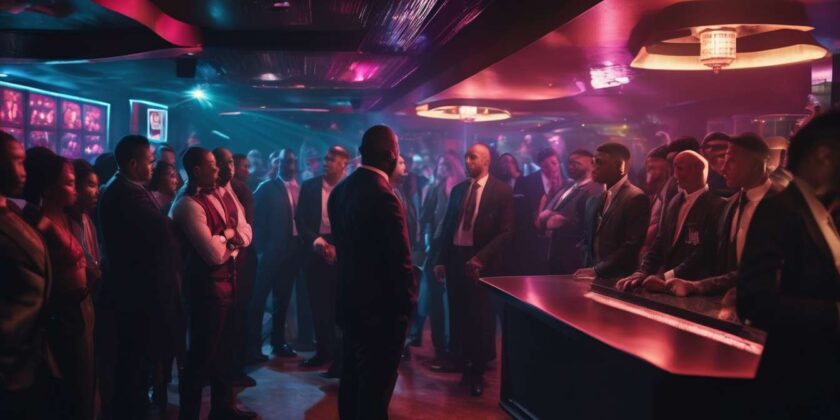
The club is a living organism, its pulse set by music, lights, and the gathered people whose safety we now place at the center of every decision.
As venue operators, staff, and regulars, we have watched nightlife evolve from laissez-faire revelry into an environment demanding deliberate policy and preparedness.
We recognize that fostering vibrant social spaces means more than booking DJs and stocking bars; it requires clear training, transparent reporting channels, thoughtful crowd management, and accessible care for those in distress.
- Clear training for staff on de-escalation, first aid, and recognizing signs of distress.
- Transparent reporting channels that make it easy for patrons and staff to report incidents without fear.
- Thoughtful crowd management plans that anticipate flow, capacity, and emergency egress.
- Accessible care including sober spaces, on-site medical resources, and referral paths to emergency services.
Our responsibilities extend beyond entertainment to creating predictable, secure experiences where patrons can celebrate without fear.
We confront logistical challenges, legal obligations, and ethical considerations while balancing atmosphere and enforcement.
- Logistical challenges such as staffing patterns, layout changes, and equipment needs.
- Legal obligations including licensing, compliance with safety codes, and incident documentation.
- Ethical considerations around privacy, inclusion, and equitable enforcement of rules.
Embracing comprehensive safety protocols has reshaped our operations, influenced design and staffing, and built trust with communities and authorities.
- Operations: Policies and procedures integrated into daily workflows.
- Design: Layouts and lighting adjusted to improve visibility and movement.
- Staffing: Roles and training expanded to include wellbeing and crisis response.
- Community trust: Ongoing collaboration with patrons, neighbors, and enforcement agencies.
Through shared commitment and measured action, we can preserve the spontaneity and energy of nightlife while prioritizing the wellbeing of everyone who enters our doors.
Policy Frameworks
Policy frameworks will define roles, responsibilities, and operational standards to keep adult nightlife venues safe and compliant.
We set straightforward guidelines so everyone knows how venue safety is maintained:
- Who oversees entry (e.g., door staff, ID checks).
- Who monitors capacity (e.g., counting systems, designated monitors).
- Who coordinates with local authorities (e.g., venue manager or designated liaison).
We create shared expectations around crowd management:
- Flow patterns (e.g., entry/exit routes, one-way corridors).
- Peak-hour staffing ratios (e.g., minimum staff per X patrons).
- Barriers that respect safety and comfort (e.g., crowd-control stanchions, clear sightlines).
We build accessible incident reporting procedures that let staff and patrons report concerns quickly and confidentially:
- Report submission methods (e.g., app, hotline, in-person).
- Defined escalation steps (who is notified and when).
- Timelines for response and resolution.
We commit to consistent documentation, periodic reviews, and transparent communication so the community feels protected and involved:
- Maintain incident logs and staffing records.
- Schedule regular policy reviews and drills.
- Share summary findings and changes with staff and patrons.
We also outline responsibilities for contractors and third-party vendors to ensure uniform standards across the venue:
- Vendor onboarding requirements (training, certifications).
- Contract clauses enforcing compliance with venue policies.
- Periodic audits of contractor performance.
By defining measurable operational standards and assigning clear accountability, we strengthen trust and belonging among staff and patrons, reduce ambiguity during incidents, and ensure everyone understands how we’ll keep our space safe, welcoming, and compliant.
Staff Training Programs
We will implement comprehensive staff training programs that equip every team member with the skills to prevent, recognize, and respond to safety, security, and customer-service issues.
Training will cover clear protocols for de-escalation, spotting signs of distress, and supporting patrons with empathy so everyone feels welcome and protected.
Curriculum design:
- Scenario-based practice to build real-world experience.
- Brief, repeatable refreshers to keep skills sharp without overwhelming schedules.
We will emphasize venue safety fundamentals:
- Entry screening basics
- Alarm awareness
- Maintaining safe pathways
Every team member will understand their role in preserving a shared environment.
Crowd management drills will teach pacing, flow control, and cross-role collaboration so staff move as one team during busy nights.
Legal and ethical training will include:
- Boundaries and compliance
- Bystander support techniques
- Effective handoffs to licensed security or medical responders
We will create a culture of continuous learning through:
- Peer feedback
- Measurable competencies
- Leadership coaching
Outcome: Staff who feel valued, capable, and united in protecting patrons and each other.
Incident Reporting Systems
Goal: Implement a clear, easy-to-use incident reporting system.
Key features
- Simple forms and mobile access for in-the-moment reporting.
- Fields to capture who, what, when, where, and immediate actions taken.
- Ability to flag urgent situations and prioritize responses.
Culture and empowerment
- Encourage all staff to report concerns without judgment.
- Emphasize that reporting strengthens venue safety and that every voice matters.
- Build transparency so people feel heard and trust that reports lead to improvements.
Standardization and escalation
- Standardize categories and severity levels for consistent reporting.
- Require supervisors to review entries daily, assign responsible parties, and record resolutions.
- Use recorded data to identify patterns and schedule corrective training.
Integration and continuous improvement
- Integrate the reporting system with crowd management policies and staff training.
- Feed incident data into regular debriefs to:
- Collaborate on solutions.
- Celebrate effective responses.
- Address gaps for improvement.
Outcome
- A transparent, accountable system that supports timely action, staff confidence to report, and ongoing safety improvements.
Crowd Flow Design
We design clear, intuitive circulation paths and decisive choke-point controls so patrons move smoothly, staff monitor effectively, and risk of overcrowding is minimized.
We map entry and exit routes, bar queues, dance floors, and seating zones to create predictable movement that makes everyone feel included and secure.
Our layout choices support venue safety by reducing blind spots and simplifying supervision.
We set capacity markers and directional signage that respect comfort and encourage considerate behavior; this reinforces a shared responsibility for crowd management.
Staff are positioned at natural bottlenecks to guide flow and to observe for signs that require intervention.
- Staff act as visible guides and first responders.
- Positioning at choke points improves sightlines and reduces response time.
When issues arise, we use streamlined incident reporting that captures location, time, and nature of the concern so responses are fast and lessons inform layout tweaks.
- Record incident location, time, and description.
- Assign immediate response and log outcomes.
- Review reports to identify recurring flow problems.
We regularly review movement patterns after events, invite staff and patron feedback, and adjust barriers, lighting, and staffing to sustain a welcoming atmosphere.
- Post-event reviews identify bottlenecks and opportunities for improvement.
- Feedback loops ensure changes reflect real-world use.
This approach keeps our community connected, seen, and protected while enjoying nightlife together.
Medical and Support Services
We ensure on-site medical care and clear support protocols.
This lets staff quickly stabilize patrons, summon advanced help, and document care given.
We train a core team in basic life support, bleeding control, and mental health first aid.
This training helps everyone feel protected, not alone.
We provide a quiet recovery area that is welcoming and supervised.
This lets guests regroup while we manage crowd movement and preserve dignity.
We integrate medical stations into broader venue safety plans.
- We coordinate with security, bar staff, and external EMS to speed response.
- We rehearse scenarios that tie medical response to crowd management.
- We ensure exits, aisles, and access points stay clear during interventions.
We use simple, standardized, confidential incident reporting.
This allows team members to record details without hesitation and strengthens trust across shifts.
We review reports regularly, adjust protocols, and share lessons learned.
This builds shared responsibility.
By prioritizing compassionate care and clear processes, we foster a safer nightlife community where patrons and staff alike feel seen and supported.
Legal Compliance Measures
We ensure our operations meet all applicable laws, licensing requirements, and industry standards so staff can act confidently and patrons stay protected.
We keep clear, shared protocols that tie legal obligations to everyday tasks—permits, capacity limits, and alcohol service rules—so everyone knows their role in venue safety.
We train staff on crowd management best practices and on when to escalate issues to supervisors or authorities, creating a sense of collective responsibility.
We maintain documented procedures for incident reporting that are simple, consistent, and accessible.
- Any team member can log concerns without hesitation.
- Prompt, consistent reporting enables faster, more effective responses.
We audit compliance regularly, using checklists and third-party reviews, and we share findings with staff to strengthen trust and competence.
We keep records secure but transparent to regulators when required, reinforcing accountability while protecting privacy.
By integrating legal compliance into daily routines, we build a workplace where rules are practical tools that help everyone belong, act safely, and support one another.
Community Engagement
We partner with local residents, businesses, and service providers to build trust, share information, and coordinate responses that keep our neighborhood safe and welcoming.
We create regular forums where neighbors and staff exchange concerns and solutions, so venue safety isn’t just a rulebook but a shared commitment.
We coordinate with nearby businesses on crowd management plans that:
- stagger entry and exit,
- reduce street congestion, and
- make footpaths feel secure for everyone.
We train staff to recognize community needs, offer clear channels for incident reporting, and follow up promptly so people feel heard and supported.
We invite community members to observe safety drills and give feedback, reinforcing that their perspectives shape our practices.
We publicize non-emergency contacts and anonymous reporting options to lower barriers to speaking up.
We collaborate with local services—transport, health, and policing—so responses are compassionate, timely, and aligned with community values.
By centering belonging in our outreach, we strengthen trust and make nightlife safer for all.
Monitoring and Review
We regularly audit our safety practices, collect data on incidents and near-misses, and review that information with staff and partners to drive continuous improvement.
We track incident reporting trends, response times, and crowd management outcomes so everyone feels heard and protected.
We hold monthly review meetings where staff and community representatives can raise concerns and suggest improvements; this builds trust and a shared sense of responsibility.
We use clear metrics — number of incident reports, time to resolution, and crowd density patterns — to evaluate policies and training.
When data show recurring issues, we update procedures, run focused drills, and adjust staffing for peak hours.
We document changes and communicate them to our team and regular patrons so they see the loop closed.
We also invite third-party audits and anonymous feedback to counter bias and strengthen accountability.
By measuring, reviewing, and acting together, we sustain venue safety and foster an inclusive nightlife culture that values every person’s well-being.
How do venue safety policies specifically address accessibility for patrons with disabilities?
We prioritize inclusive venue safety policies that address accessibility for patrons with disabilities.
Physical access:
- We ensure ramps, accessible restrooms, and accessible seating are available.
Information and communication:
- We provide clear signage and staff training on disability etiquette.
- We offer communication accommodations such as captioning and assistive listening devices.
Sensory and comfort needs:
- We create quiet spaces for patrons who need them.
Reservations and feedback:
- We provide reservation options to indicate accessibility needs.
- We invite feedback and regularly review policies with disabled patrons to improve access and belonging.
What measures are in place to protect the privacy and data of patrons captured by surveillance systems or incident reports?
Privacy-first data handling
We prioritize patron privacy and limit data access to trained staff. We retain footage or reports only as legally required.
Secure storage and transfer
- We use encrypted storage.
- We use secure transfer protocols.
- We enforce role-based permissions so only needed personnel can view records.
Anonymization and notification
- We anonymize incident reports when possible.
- We notify patrons about recordings and how their data is used.
Retention and correction
- We provide clear retention schedules.
- We maintain processes for correction or deletion to respect everyone’s dignity and belonging.
Are there guidelines on handling substance use (including alcohol and illicit drugs) beyond immediate medical response, such as diversion to support services or harm-reduction strategies?
We recognize the need for guidance beyond immediate medical care for substance use.
We recommend harm-reduction practices:
- Trained staff to respond safely and nonjudgmentally.
- Safe spaces where people can access help without stigma.
- Readily available naloxone and staff trained in its use.
- Anonymous reporting options to encourage help-seeking.
We connect guests to ongoing supports:
- Peer-support groups for lived-experience guidance.
- Counselors for short-term and ongoing emotional support.
- Local treatment referrals tailored to individual needs.
- Discreet information provision to protect privacy.
We support this work through materials and partnerships:
- Signage and printed materials designed to respect dignity and reduce stigma.
- Partnerships with community programs to expand services and expertise.
- Outcome tracking to evaluate and improve services over time.
Our goal is that everyone feels supported and welcomed.
Conclusion
You’ve seen how venue safety policies now shape every part of adult nightlife, from clear frameworks and trained staff to incident reporting and smart crowd flow.
By providing medical support, meeting legal obligations, and engaging the community, you create safer, more welcoming spaces.
Keep monitoring and reviewing your practices so they stay effective and responsive.
Prioritizing these measures not only reduces risk but also strengthens trust, enjoyment, and long-term success for your venue.