
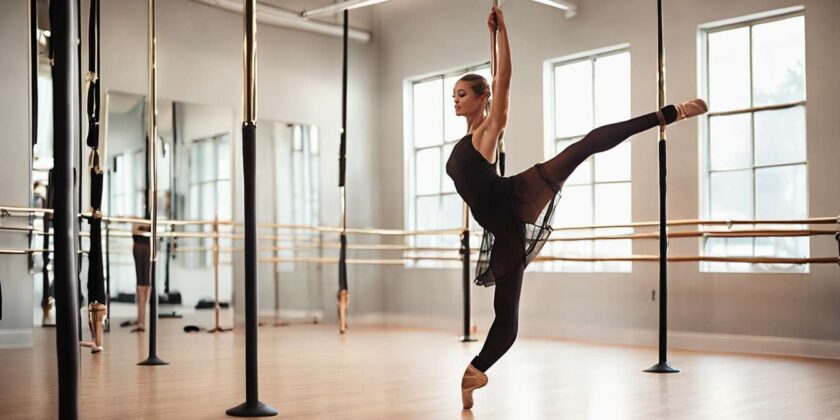
Lately we found ourselves backstage, watching a new performer practice a floorwork sequence with the same intensity we would expect in a vocational studio.
We noticed how she approached posture, timing, breath, and safe spotting—skills often omitted from casual conversation about exotic dancing.
As we listened, she talked about curriculum, certifications, and instructor feedback that helped her reclaim control over her body and career trajectory.
We realized this was not only about choreography or glamour but about transferable competencies:
- Business planning
- Injury prevention
- Communication
- Boundary setting
In this piece we will explore how structured professional training reframes exotic dancing as a skilled vocation, offering pathways to:
- Higher earnings
- Workplace safety
- Personal agency
We will share voices from trainers and performers, examine program models, and discuss policy implications that could broaden access to credible education.
Our aim is to present a realistic, respectful view that foregrounds empowerment through expertise.
Professionalizing Performance
We treat exotic dancing as a skilled performance craft and train the physical, technical, and presentation elements that make shows consistent and professional.
We focus on performance training that sharpens choreography, stage presence, and costume transitions so every set feels intentional.
We build routines that play to individual strengths while teaching pacing, musicality, and audience interaction that respect consent boundaries.
We reinforce professional norms — punctuality, communication with staff, and clear negotiation of services — so everyone feels supported and included.
We include sexual-health information relevant to performers, such as safer touch practices, STI awareness, and resources for confidential testing, because wellbeing is integral to longevity.
We practice de-escalation and assertive communication so members can advocate for themselves in real time.
We cultivate peer feedback circles where we give constructive critique and celebrate improvement, creating a consistent path from novice to confident pro.
We commit to ongoing learning, recognizing that refining technique and presentation keeps careers sustainable and communities connected.
Safety and Injury Prevention
We prioritize proactive injury prevention and venue safety so performers can work longer, recover faster, and feel secure on and off stage.
We create clear protocols for incident reporting, lighting and flooring checks, and emergency procedures so every team member knows they belong and is protected.
Our workshops pair sexual-health education with practical strategies for minimizing risk during close-contact moments, emphasizing:
- STI awareness and prevention resources
- Respectful communication and consent practices
- Practical harm-reduction techniques
We train managers and performers together on consent-boundaries, de-escalation, and bystander intervention so everyone shares responsibility for safety.
Performance training includes safe equipment use, spotting techniques, and pacing strategies to reduce acute injuries without sacrificing artistic expression.
We promote regular health screenings, access to supportive medical referrals, and peer support networks that normalize seeking help.
By combining community standards, documented policies, and ongoing education, we build a workplace where people look out for one another, feel empowered to set limits, and sustain long, healthy careers in this industry.
Technique and Conditioning
We focus on building durable strength, flexibility, and technique through targeted drills, progressive conditioning, and routine-specific skill work.
This ensures performers move efficiently, reduce injury risk, and expand their repertoire.
We train together, creating a supportive space where technique is broken down into repeatable elements:
- Posture
- Weight transfer
- Turns
- Floorwork
- Controlled drops
Our performance-training sequence mixes mobility sessions, plyometrics, and load management.
This approach makes progress measurable and sustainable.
We emphasize breath control and alignment to protect joints while increasing range of motion.
We adapt drills for varying body types and experience levels to ensure accessibility and safety.
We integrate discussions of sexual-health into conditioning so self-care, STI awareness, and body autonomy are normalized alongside skill development.
These conversations are part of holistic performer well-being.
We practice role-played interactions to rehearse consent-boundaries.
This ensures movement choices respect personal limits and client dynamics.
We track goals, adjust intensity, and celebrate milestones as a team.
Consistent, specific technique work makes performers safer, more confident, and strengthens the community that supports their careers.
Business and Financial Skills
We teach practical business and financial skills—budgeting, pricing, taxes, contract basics, and client management—so performers can run sustainable, professional careers.
We focus on clear bookkeeping, realistic budgets for schedules and self-care, and pricing strategies that reflect skill, venue, and time.
We cover taxes and independent-contractor essentials in straightforward terms, plus how to read and negotiate simple contracts so members protect their income and rights.
We build templates and practice tools:
- Invoicing templates
- Expense-tracking sheets
- Goal-setting frameworks
- Client-management techniques that keep interactions professional and encourage repeat business
We tie financial lessons to broader training so choices support wellbeing and longevity.
- Sexual-health awareness
- Performance-training goals
We foster an inclusive cohort where questions are welcome and mistakes are treated as learning steps.
By teaching these tools together, we help one another move from informal hustles to intentional, sustainable careers while strengthening our shared sense of belonging and mutual support.
Communication and Boundaries
We establish clear communication practices and firm boundaries so performers can protect their safety, professionalism, and emotional energy.
We teach direct scripts for setting consent-boundaries with clients and colleagues, role-play de-escalation, and practice saying no without guilt.
We normalize asking about limits, touching, and tipping expectations so everyone knows what’s allowed, what’s not, and how to respond when lines are crossed.
We integrate sexual-health conversations into our routines, offering guidance on disclosure, STI prevention, and seeking services without stigma.
We blend these topics with performance-training so boundaries feel natural onstage and off, reinforcing body autonomy alongside artistic expression.
We encourage peer check-ins, buddy systems, and reporting paths that respect confidentiality and support community care.
- Buddy systems for shift coverage and safety check-ins.
- Confidential reporting options with clear follow-up procedures.
We set policies for digital interactions, private bookings, and social media that keep personal lives protected.
- Guidelines for what to share publicly vs. privately.
- Safe booking protocols and documentation for private appointments.
By building shared language, standards, and mutual respect, we create a safer workspace where performers belong, thrive, and control their careers on their terms.
Certification and Curriculum Models
We’ll define clear certification pathways and modular curriculum models that validate skills, ensure safety standards, and support career advancement for exotic dancers.
We design stacked certificates—foundational, intermediate, and professional—that recognize competencies in technique, stagecraft, and venue awareness.
Each module pairs practical performance-training with classroom study so learners can demonstrate competence and track progress together.
We center sexual-health education throughout curricula, covering STI prevention, anatomy, and workplace resources.
We integrate explicit consent- and boundaries-training so everyone understands negotiation, de-escalation, and documentation practices.
We make assessments transparent, competency-based, and portable across clubs and regions, fostering mobility and mutual recognition.
Community mentorship and peer review are built into continuing-education units to keep skills current and reduce isolation.
We set clear instructor standards and require periodic recertification to maintain safety and ethical practices.
By creating inclusive, measurable, and supportive certification systems, we strengthen professional legitimacy, protect wellbeing, and help dancers build sustainable careers within a community that cares for one another.
Trainer and Performer Perspectives
We’ll gather insights from both trainers and performers to align instructional priorities, identify real-world challenges, and ensure curricula reflect day-to-day needs on and off stage. We listen to trainers who emphasize structured performance-training, clear progression, and practical drills, and we hear performers who value adaptability, safety, and community. Together we co-design sessions that balance technique with self-care, incorporating sexual-health education, injury prevention, and mental well-being.
We prioritize consent and boundaries as a shared vocabulary.
- Trainers teach scenarios and scripts.
- Performers practice setting and enforcing limits.
- We normalize debriefing after shifts.
We create mentorship circles where experienced performers model boundary-setting and trainers refine lesson plans from frontline feedback. By centering lived experience, we make training inclusive, pragmatic, and empowering.
We commit to ongoing dialogue.
- Regular check-ins.
- Anonymous feedback loops.
- Revising modules when realities change.
Result: training stays responsive, respectful, and rooted in mutual trust so everyone feels seen and supported.
Policy and Access Strategies
Policy and access strategies to remove barriers and protect workers’ rights
We will advocate for policies and access strategies that remove barriers to training, protect workers’ rights, and expand resources such as affordable healthcare, legal support, and safe training spaces.
Funding and compensation
We will push for funding that:
- Subsidizes performance-training programs.
- Ensures instructors who teach sexual-health, consent-boundaries, and safety are compensated fairly.
Licensing and nondiscriminatory hiring
We will lobby for:
- Clear licensing paths that do not criminalize dancers.
- Nondiscriminatory hiring practices that create inclusive entry points.
On-site services and membership access
We will collaborate with clinics and legal aid to offer:
- On-site sexual-health services.
- Confidential consultations.
We will develop sliding-scale memberships so everyone can access space and mentorship.
Workplace policies, training, and data
We will create model workplace policies that center:
- Consent-boundaries.
- Harm reduction.
- Grievance procedures.
We will train managers to uphold these policies and support data collection to:
- Track outcomes.
- Demonstrate how investment reduces harms and increases career stability.
Vision
Together, we will build systems that remove stigma, expand access, and reinforce that performers belong in professional, protected, and well-resourced communities.
How do dancers navigate immigration and visa issues when touring or working internationally?
We discuss visa types, work permits, and touring contracts so everyone feels supported and informed.
We consult immigration lawyers, use reputable promoters, and keep clear paperwork.
- Contracts
- Letters of engagement
- Tax documents
We register with local performers’ unions or associations when possible, secure appropriate visa categories, and avoid informal deals.
We share resources, emergency contacts, and backup plans so we can travel and work safely together.
What are best practices for managing long-term health concerns like pelvic floor dysfunction or chronic joint pain that may not be covered in standard training modules?
We prioritize long-term health by seeking specialized clinicians and sharing trusted referrals within our community.
- We consult pelvic floor therapists, sports medicine doctors, and pain specialists.
- We maintain and circulate a vetted referral network so members can access appropriate care quickly.
We schedule regular assessments and adapt training to reduce injury risk.
- We perform routine evaluations to monitor progress and identify issues early.
- We adjust training loads and use cross-training, mobility work, and targeted strength programs to address weaknesses and imbalances.
We track symptoms, rest proactively, and pursue individualized care beyond standard protocols.
- We monitor pain and function and respond to warning signs rather than pushing through.
- We prioritize rest and recovery and seek tailored treatment plans when standard modules are insufficient.
We build peer support, normalize asking for help, and include mental-health resources to sustain well-being.
- We create a supportive community that encourages open discussion of health concerns.
- We incorporate access to counseling or other mental-health services as part of long-term care.
How can performers discreetly handle stigma from family or formal employers while maintaining professional boundaries?
How performers can discreetly handle stigma from family or formal employers while keeping boundaries
Set clear privacy limits.
- Decide in advance which details about your work you will share and which you will keep private.
- Use neutral, non-judgmental language when explaining your job if needed (e.g., “I do freelance entertainment” or “I work in performance arts”) to avoid provoking stigma.
Choose who you trust.
- Identify a small circle of trusted people (friends, chosen family, peers) who know the full details and can offer support.
- Avoid oversharing with family members or employers who are unlikely to be supportive.
Rehearse responses.
- Prepare short, practiced replies for intrusive questions or comments so you can respond calmly and maintain boundaries.
- Examples: “I prefer not to discuss that,” or “My work is professional and legal; I don’t discuss clients.”
Keep personal and professional lives separate.
- Use separate contact information, social media accounts, and privacy settings for performance work and private life.
- Avoid posting identifying personal content on public professional profiles.
Rely on supportive peers or counselors.
- Connect with peer groups or networks in your industry for practical advice and emotional support.
- Consider a counselor or therapist familiar with stigma-related issues for coping strategies and boundary-setting skills.
Document harassment and know your rights.
- Keep records (dates, times, messages) of any harassment or discriminatory behavior from family members or employers.
- Learn workplace policies and local laws regarding discrimination and harassment so you know when to escalate.
Assert boundaries calmly and safely.
- Communicate limits firmly but composedly; rehearse language that emphasizes your boundaries without escalating conflict.
- If safety is a concern, prioritize physical and emotional safety over explanations; involve authorities or legal help when necessary.
Protect your safety while seeking affirming community.
- Balance discretion with finding communities (online or local) that affirm your work and identity.
- Build a support network that validates you and can help if boundaries are violated.
If you’d like, I can help you draft brief, neutral response scripts tailored to specific family or employer questions, or a checklist for securing privacy across devices and accounts.
Conclusion
Treat exotic performance like any skilled profession: invest in training that builds technique, conditioning, safety, and business sense so you stay healthy and earn more.
Learn communication and boundary-setting: clear communication protects both you and your clients; practice consent, de-escalation, and how to set and enforce limits.
Pursue certification and vetted curricula: when available, certifications or established training programs provide structured progression and credibility.
Work with knowledgeable trainers: choose trainers who respect your goals, emphasize safety, and tailor instruction to your needs.
Advocate for access and sensible policy: supporting fair policies and access to training/resources helps the entire community thrive—you’re stronger, safer, and more successful when you train like a pro.