
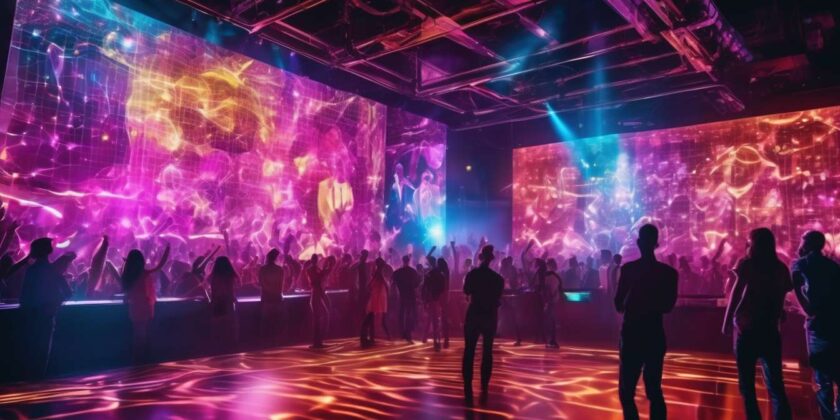
A recent survey found that 72% of clubgoers now rank sound quality above drink prices when choosing a night out. We were surprised by how clearly expectations are shifting.
We set out to understand what dancers, DJs, and promoters actually want from a night on the floor, tracking preferences across age groups, music subcultures, and venue types.
Key patterns emerged from the research:
- Younger audiences prioritize immersive visuals and safer spaces.
- Long-time patrons emphasize authentic sound and artist curation.
We mapped how changing channels and habits reshape venue dynamics:
- Social media, ticketing platforms, and post-pandemic behaviors influence arrival times, peak hours, and loyalty.
Our methodology blended multiple approaches:
- Quantitative polling
- On-site observation
- Interviews
Findings point to where investments will matter most:
- Acoustics
- Staff training
- Experience-focused marketing
We also identified assumptions that no longer hold. By listening closely to attendees, we aim to guide clubs toward experiences that meet evolving expectations and keep dance floors alive.
Shifting Priorities
We’ve noticed attendees are prioritizing safety, affordability, and authentic connection over late-night spectacle.
We’re adapting planning to meet these shifting expectations by focusing on essentials that make people feel welcome and secure.
Refining sound & acoustics
- Clear mixes and adjustable zones so music brings people together rather than overwhelming them.
- Zoned audio lets friends converse and DJs shine without competing.
Tightening venue safety protocols
- Accessible exits and visible staff.
- Well-lit common areas.
- Respectful crowd management that fosters belonging because everyone feels protected.
Rethinking pricing, scheduling, and programming
- Affordable entry and layered ticket options to lower financial barriers.
- Shorter peak hours to respect attendees’ time and budgets.
- Programming that retains quality without relying on late-night spectacle.
Listening, measuring, and implementing
- We’re gathering feedback and tracking what fosters connection.
- Targeted changes are implemented to reinforce trust and make improvements measurable.
By centering these priorities, we’re building nights where people come not just for spectacle, but because they feel seen, safe, and part of something genuine.
Audience Segments
We’re mapping distinct attendee types—regulars, first-timers, niche-scene fans, and social groups—so we can tailor programming, pricing, and amenities to what each segment actually values.
Segment motivations and routines:
- Regulars: seek community and predictable quality.
- First-timers: want welcoming guidance.
- Niche-scene fans: value curated lineups.
- Social groups: look for shared, memorable moments.
By aligning offerings with clear audience expectations, we build trust and repeat attendance.
We prioritize practical needs that reinforce belonging without sacrificing safety.
- Design layouts and staffing to support venue safety and easy movement.
- Provide clear signage and staff-trained welcome experiences.
- Communicate policies transparently.
Audio and acoustics preferences are noted to inform future technical design.
While technical audio details will be addressed later, we acknowledge that sound and acoustics influence comfort and connection and have recorded those preferences for future decisions.
Our segment-based approach creates programs that respect diverse desires, make people feel included from arrival to departure, and strengthen the club as a reliable social home.
Sound and Acoustics
We treat sound and acoustics as central design elements.
We shape speaker placement, room treatment, and system tuning so every attendee hears music as intended without discomfort.
We prioritize audience expectations: clarity, consistent levels, and balance.
We listen to attendees and design for even coverage across the floor so people feel included no matter where they stand.
We control low frequency and manage reflections.
- We design low-frequency control to keep bass powerful but not overwhelming.
- We manage reflections and absorption to preserve vocal and rhythmic detail.
We integrate measurements and on-site tuning into operations.
- We use measurements and tuning to maintain sound across different lineups and crowd sizes.
- We train staff to recognize and correct issues quickly.
- We involve regular visitors in feedback loops to refine settings.
These choices support safety and community standards.
We reduce hearing risk and minimize disruptive sound bleed to neighboring spaces. By centering shared sonic standards and responsive care, we create a welcoming, reliable auditory environment that reinforces belonging and meets community-driven audience expectations.
Visual and Safety Needs
We prioritize clear sightlines, effective lighting, and visible wayfinding so everyone can move confidently and stay safe throughout the club.
We know audience expectations include not just the music but being seen, guided, and reassured; visual cues help people feel included and oriented.
We design lighting schemes that balance mood with functionality so patrons can find exits, staff, and companions without losing the immersive atmosphere.
We coordinate with sound & acoustics teams to ensure visual feedback—like level indicators or stage lighting—matches audio intensity, reducing sensory dissonance that can unsettle guests.
We commit to transparent venue safety practices:
- Illuminated emergency routes
- Unobstructed evacuation paths
- Discreet security presence
- Clear signage that speaks to diverse needs
We train staff to use sightlines to monitor crowd flow compassionately, intervening early when spaces feel congested.
By aligning visual design with safety protocols and audio planning, we create a welcoming, confident environment where belonging and well-being go hand in hand.
Arrival and Peak Patterns
We map typical arrival windows and peak attendance hours so we can staff, control entry, and shape programming to smooth crowding and optimize the guest experience.
We use attendee data and direct feedback to predict:
- when friends arrive together,
- when solos come to dance,
- when groups prefer louder sets.
By aligning those patterns with audience expectations, we create an environment where people feel seen and included rather than jostled or ignored.
We coordinate lighting cues and set transitions to distribute energy across the night so peaks don’t overwhelm sightlines or compromise venue safety.
We monitor sound and acoustics as density rises, adjusting:
- levels and sub-bass to keep conversations possible near the bar,
- the mix to keep the dancefloor immersive.
When arrival flows are predictable, our team can:
- welcome guests with clarity,
- reduce queues,
- maintain consistent service.
That reliability reinforces belonging: people come knowing the room will feel lively, safe, and tuned to what they expect.
Venue Operations Impact
We track how staffing, bar flow, and technical setups directly affect crowd movement and guest satisfaction so we can prioritize operational changes that improve the overall experience.
We observe audience expectations around wait times, staff responsiveness, and line management, and we adjust shift patterns to keep everyone feeling seen and valued.
We coordinate bar layouts and payment systems to reduce congestion, helping people reconnect quickly with friends and the dance floor.
We monitor sound and acoustics to ensure DJs deliver energy without drowning out conversation or causing discomfort.
- Equalization
- Speaker placement
- Level policies
These elements keep music immersive and inclusive.
We train teams on de-escalation and medical response so venue safety is proactive, not reactive.
We communicate clearly about exits, capacity, and staff presence to build trust.
By treating operations as part of the guest welcome, we reinforce belonging and make practical, measurable improvements that align with what our community expects and deserves.
Investment Priorities
We prioritize investments that deliver the biggest improvements to guest experience and operational efficiency, balancing short-term fixes with strategic upgrades.
We focus on what our community values most: clear communication of audience expectations, reliably great nights, and a space that feels both exciting and secure.
That means we channel funds into:
- Sound and acoustics improvements that make music immersive without hurting conversations.
- Lighting upgrades designed to foster connection and inclusivity.
We commit to venue safety measures that are visible and respectful:
- Better staffing.
- Clear sightlines.
- Discreet security protocols.
We sequence projects to minimize disruption:
- Quick wins such as staff training and improved wayfinding.
- Phased capital work on HVAC, accessibility, and technical systems.
We track outcomes with guest feedback and attendance metrics, reallocating resources when data shows different priorities.
Our investments aren’t about flashy change; they’re about building trust, meeting audience expectations, and sustaining a welcoming club where people want to return.
Rethinking Assumptions
We’ll challenge long-held beliefs about what guests want and test new assumptions with small experiments that measure real behavior.
We’ll listen to guests and staff to recalibrate audience expectations, not rely on anecdotes.
We’ll run short trials that tweak sound & acoustics, lighting, and layout so we can observe how people actually move, talk, and stay.
We’ll treat venue safety as central, embedding discreet monitoring and post-visit surveys to see whether changes feel safer and more welcoming.
We’ll involve regulars and newcomers in co-design sessions, creating a shared sense of ownership that strengthens belonging.
We’ll prioritize measurable outcomes:
- Dwell time.
- Repeat visits.
- Crowd clustering.
- Reported comfort.
We’ll iterate quickly, keeping experiments small to limit risk while gathering clear signals.
We’ll share results transparently with our community so everyone knows why we changed something.
By testing assumptions rigorously and respectfully, we’ll build dance club experiences that match real expectations and feel safer, clearer, and more inclusive for everyone.
How do dance club expectations differ by age group within the same audience segment?
Goal: Understand how expectations for dance clubs shift by age within the same audience segment and create spaces where different ages can connect, belong, and enjoy shared nights together.
Younger members (preferences):
- High-energy beats — prefer fast-paced, bass-forward music and DJs who mix live.
- Immersive visuals — want dynamic lighting, projection mapping, and interactive elements.
- Social discovery — look for opportunities to meet people and be seen (Instagrammable moments, pop-ups).
Older members (preferences):
- Comfortable seating — value lounge areas and places to rest without leaving the vibe.
- Clearer sound — prefer intelligible mixes and balanced levels over extreme bass.
- Predictable schedules — appreciate set times, calmer transitions, and clear programing.
Balancing nostalgia and novelty:
- Blend classic tracks with contemporary remixes to satisfy emotional familiarity while keeping energy fresh.
- Curate themed nights that alternate or combine retro and current sounds, signaling both comfort and discovery.
Designing inclusive spaces:
- Zoned layouts
- Active dancefloor with immersive visuals and high-energy sound.
- Perimeter lounges with comfortable seating and clearer, slightly lower-volume mixes.
- Transition spaces (bar, chill corners) that facilitate social discovery and quieter conversation.
Tailoring programming, communication, and layout:
- Programming: stagger sets (peak high-energy windows and calmer periods), include guest DJs who bridge eras, and host a mix of nostalgia and cutting-edge acts.
- Communication: segment messaging—use energetic imagery and short-form video for younger patrons; provide clear schedules, lineup details, and accessibility notes for older patrons.
- Layout & operations: flexible furniture, adjustable sound zones, clear sightlines for visuals, and consistent on-time programming to build trust across ages.
Outcome: By intentionally blending music selection, venue design, and messaging, you can create nights where different age groups feel known, connected, and able to enjoy shared experiences—preserving energy and novelty while offering comfort and predictability.
What role do social media and influencer culture play in shaping expectations for club experiences?
Social media and influencers shape club expectations by showcasing curated highlights and exclusive access.
We want to belong, so we chase that vibe — drawn to Instagrammable décor, guest lists, and themed nights they promote.
We expect polished visuals and seamless online booking.
Peer validation, FOMO, and perceived status drive our choices:
- We prioritize venues that signal community.
- We value authenticity.
- We seek shareable moments.
How do ticket pricing models (e.g., tiered, dynamic, membership) affect attendee behavior and perceptions of value?
We see how ticket pricing models shape behavior and perceived value.
Tiered options let people choose status and perks.
Dynamic pricing nudges buyers to either purchase early or wait for deals.
Memberships create a sense of inclusion and loyalty, which boosts repeat visits.
Perceived fairness and transparency increase trust in the venue.
Perceived exploitative pricing causes people to disconnect and look for places where they truly belong.
Conclusion
You’ve seen how clubgoers’ priorities are shifting and how distinct audience segments expect different things.
Sound quality, visuals, and safety now matter as much as the music.
Your arrival and peak patterns shape operations and staffing.
Targeted investments in acoustics, sightlines, and crowd management deliver the biggest returns.
Rethink old assumptions:
- Meet varied needs deliberately.
- Allocate resources based on evidence.
- Create experiences that keep people coming back.